Trends
Integrate Your CDP with Ad Platforms for a High-Converting Customer Journey
- CDP
- Digital transformation
Contents
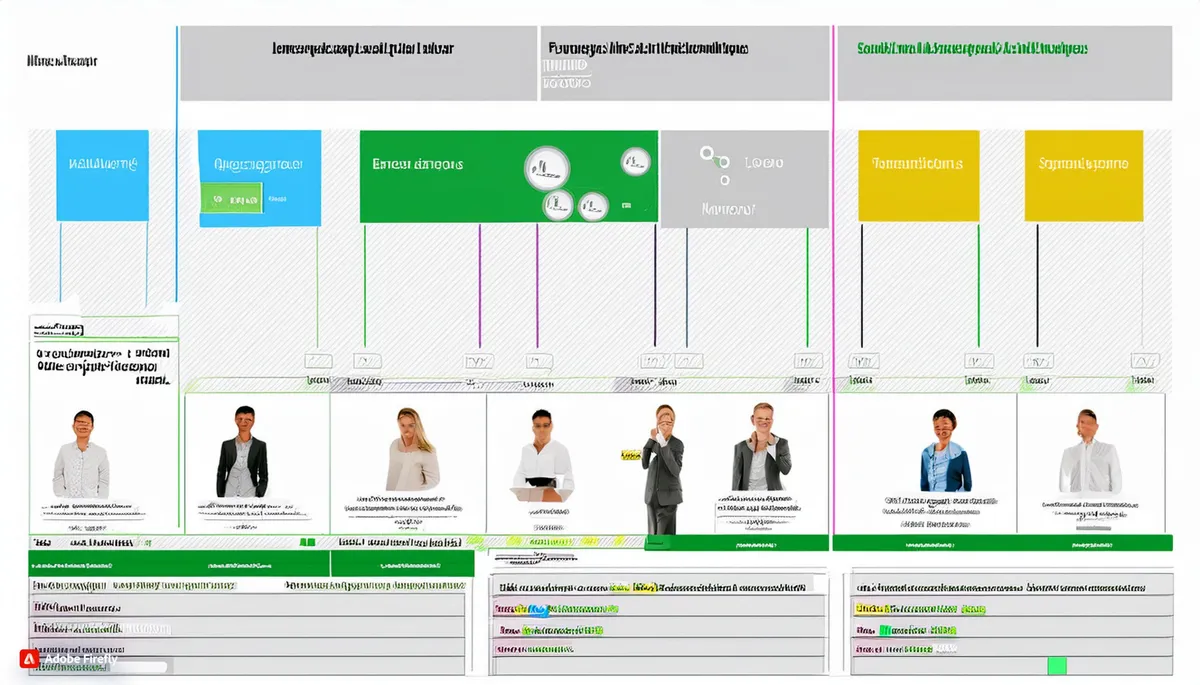
A customer journey map gives your strategy a clear blueprint. But to turn a static journey map into dynamic tracking, you need an advanced tool such as a customer data platform (CDP).
A CDP is marketing software that brings together a company’s many member data sources, such as POS, member center, ERP, GA and LINE. It builds a unified customer database for the company’s members that other systems can access and use for push messages. This data can be used for:
- Customer value segmentation
- Marketing campaigns
- Customer relationship management
- A/B testing
- Personalization
- Social media promotion
- Retargeting
A CDP can also integrate with ad platforms and demand-side platforms (DSPs) to help marketers deliver the right message to the right audience. The ESi Technology CDP connects directly to ad platforms such as Google Ads, Meta Ads and LINE LAP and uploads audience lists automatically every day. Marketers no longer have to pull lists and upload them to ad platforms by hand, and precise lists keep display ads on ad networks focused. Campaigns run on these integrated platforms improve customer experience, repurchase rates and loyalty, which in turn increases customer lifetime value.
Campaigns launched once these platforms are integrated drive better customer experience, higher repurchase rates and greater loyalty, which ultimately affects customer lifetime value.
In this article, you’ll learn how to connect CDP data with ad platforms, track the full customer journey, and plan effective campaigns that move customers forward at every stage of the journey.
What is customer journey optimization, and why does it matter?
Customer journey optimization is the process of making sure every interaction across multiple touchpoints delivers the best possible experience, in order to guide and influence a desired action or outcome. It considers the whole journey and multiple channels, with the aim of delivering a seamless, impactful end-to-end digital experience. The key is to measure business impact across the overall journey, rather than focusing on small positive effects at individual touchpoints.
Companies that optimize the customer journey enjoy a clear advantage in engagement, conversion, retention and overall brand loyalty, creating a competitive edge in today’s customer-centric market.
The elements of customer journey optimization: as noted above, customer journey optimization is a process, not a single solution. These are the key elements that drive a customer journey optimization program:
- Customer journey strategy roadmap: How will you reach your goals? This is where most brands start: drawing up a concrete strategy and plan for customer journey optimization based on business goals, the current state of the organization and other factors.
- Customer journey analytics: What is your data telling you? Turning valuable customer data into actionable insights is essential to customer journey optimization. As third-party cookies disappear, brands need a unified first-party data foundation to optimize the customer journey.
- Customer journey mapping: What do your customers’ key paths look like? Although some people use “mapping” and “optimization” interchangeably, customer journey mapping is a specific part of the process that lets you understand and visualize customer paths, then use data and insights to optimize them.
- Customer journey orchestration: How do you deliver the right message at the right moment? Customer journey orchestration is the pinnacle of customer journey optimization: it shows the brand can act in real time on its data and insights to deliver relevant customer experiences.
Tracking the customer journey
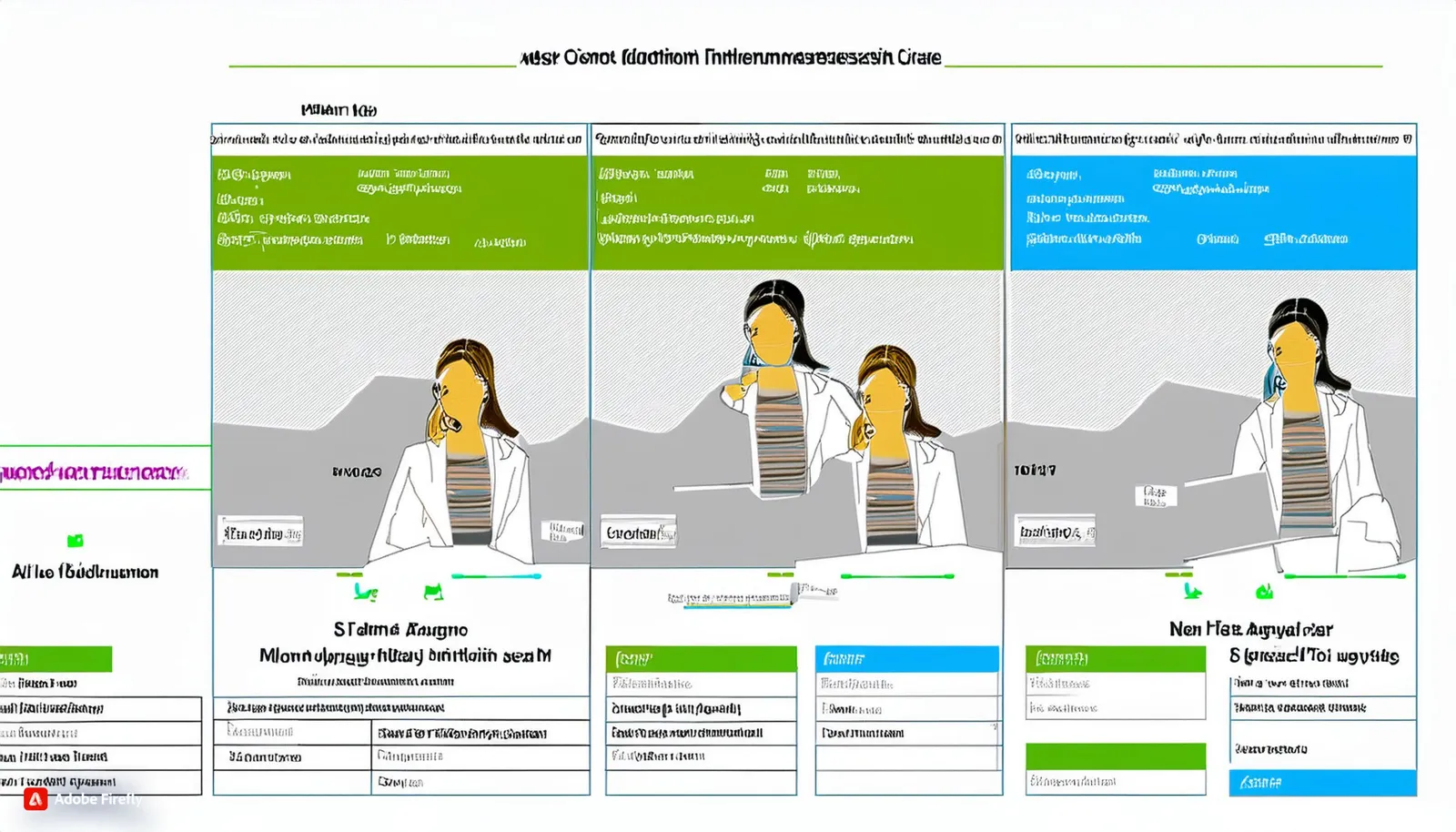
Here is an example customer journey for an e-commerce or online retail platform:
Stage 1: Anonymous visitor
These are most likely first-time visitors to the site. They haven’t registered as members, and you don’t know their name, email address or other personal details. The only information you have is what web analytics collects.
Stage 2: Known visitor
This visitor is still not a customer but has been to your site before. You have collected some data, such as their name or email address, that lets you identify them when they visit.
Stage 3: First-time customer
This person has made a purchase but is not yet a repeat or loyal customer. You have now collected information beyond web analytics, such as their name, address, email, the products they bought and the value of those purchases.
Stage 4: Repeat customer
A returning customer who buys occasionally.
Stage 5: Loyal customer
A customer who repurchases regularly, is loyal and advocates for the brand.
Once you have mapped the stages of the customer journey, the goal is to move prospects and existing customers to stage 5 as quickly as possible, keep them there as long as possible, and keep them buying. This is the most valuable stage: customers buy often and promote the brand, which improves your chances of winning new customers.
Let’s look at how a CDP helps you identify and track individuals at each stage of the customer journey.
How the customer journey relates to CDP audiences
Many companies use internal systems that aren’t integrated with each other, such as POS, ERP, Google Analytics, CRM, email marketing and a variety of DSPs, which merely exchange UTM parameters.
When these systems stay disconnected and are used separately, data silos form: data collected by one department is available only to that department and isolated from the rest of the company. Data silos make it hard to track and optimize the customer journey, move users forward and increase customer lifetime value.
One of the main purposes of a customer data platform (CDP) is to integrate these different technologies and let companies make data-driven strategic decisions.
Make your data actionable
1. Reach users at the right time
Activate your data to personalize customer experiences, build targeted campaigns, optimize retargeting spend and re-engage inactive users, improving your marketing results.
2. Increase sales and retention
Use data to spot cross-sell and upsell opportunities, convert free users into paying customers, prevent churn, and identify and keep high-value customers, so your results keep climbing.
3. Improve customer supportTurn data into action: resolve customer issues quickly, gather feedback more easily, recommend new products and provide precise usage guidance, making your customer support more efficient and more attentive.
As a unified platform that brings together multiple data sources, a CDP lets companies understand and serve customers more precisely. With a CDP, companies can not only make campaigns more precise and effective but also improve customer experience and loyalty, ultimately achieving sustained growth.
As data technology continues to advance, CDPs will play an even more important role in digital marketing and become an essential member data management tool for digital transformation.
AIM from ESi Technology is an all-in-one LINE marketing platform. It offers solutions for running an engaging LINE account, shows you who your LINE friends are, and adds in-depth data analysis, so you can gain friends more efficiently, avoid blocks, and turn friends into paying customers.
The ESi CDP is an all-in-one integrated marketing tool that saves you juggling multiple systems. By providing comprehensive, real-time, personalized data, it helps businesses adapt to the digital environment, improve efficiency, customer experience and competitiveness, and drive digital transformation.
Want to learn more about customer data platforms (CDP) and how to get started? Visit our site for more.
Open up new channels for growth
See your members in full and build momentum for revenue growth.
Further reading:
- Churn, the hidden killer of growth: keep key customers and create 5x the revenue value
- How to market with a LINE Official Account: 8 principles for using LINE marketing tools to grow members and conversion
- 5 benefits of marketing automation every marketer should know: reach and engage more audiences
Share this article
- Share “Integrate Your CDP with Ad Platforms for a High-Converting Customer Journey” on Facebook (opens in a new window)
- Share “Integrate Your CDP with Ad Platforms for a High-Converting Customer Journey” on LINE (opens in a new window)
- Share “Integrate Your CDP with Ad Platforms for a High-Converting Customer Journey” on LinkedIn (opens in a new window)