Digital marketing
OMO Membership: Close the Last Mile and Let Stores Sell Online Too
- CDP
- LINE
- Digital transformation
Contents
- Three common pain points in retail transformation
- Why traditional retail membership struggles to grow revenue
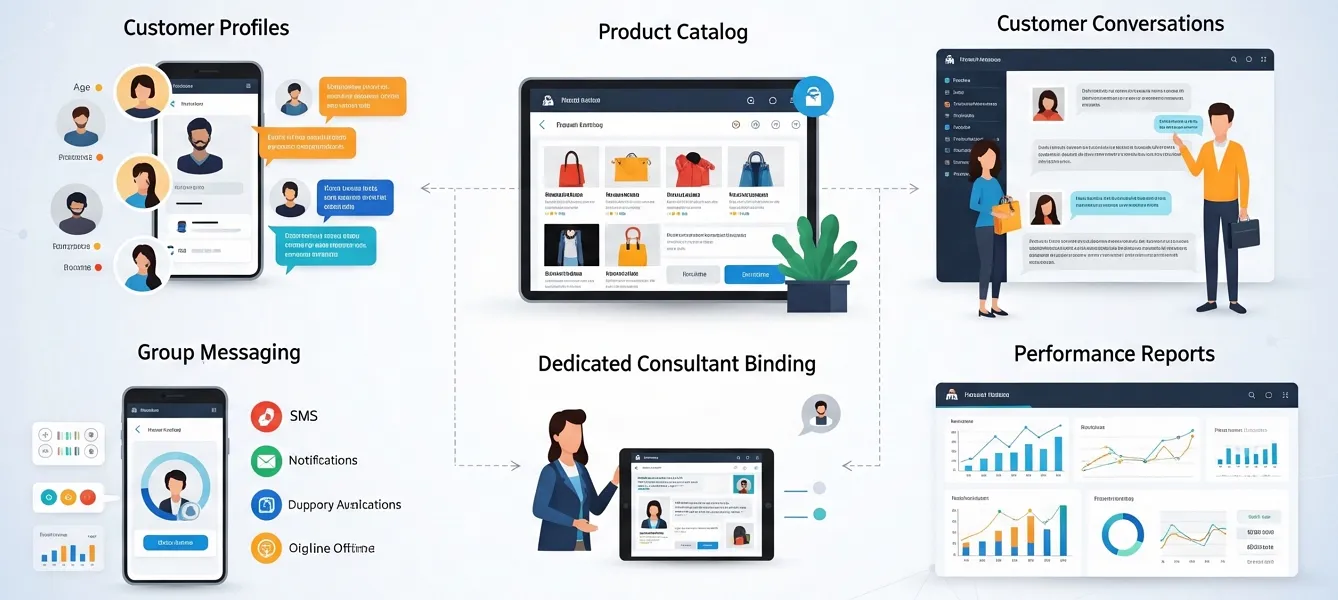
- How the OMO module works: turning member data into an actionable sales process
- 1) Unify customer data into usable preference profiles
- 2) Link members to store staff so data backs up the team
- 3) Bring product recommendations and conversations into one flow
- 4) Trace every sale to a person and a channel
- 5) Manage members, conversations and products in one place
- Real-world scenario: from an in-store visit to an online sale
- Measurable KPIs after rolling out OMO
- OMO data empowerment for a more personal service
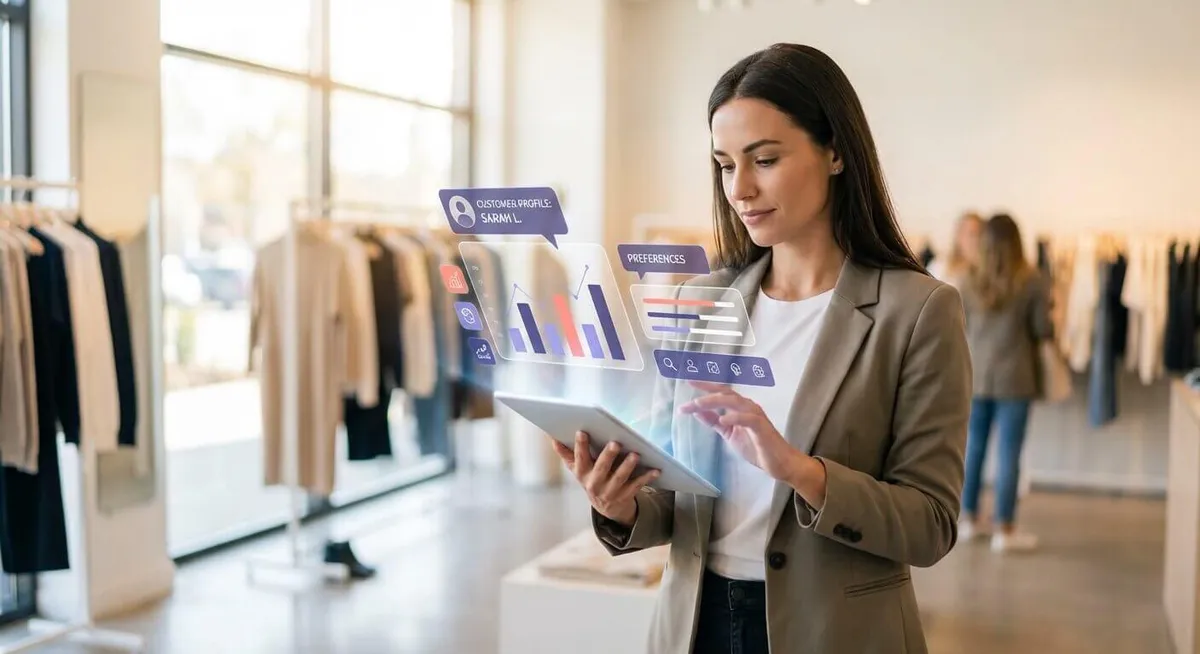
Most brands have built up LINE friends and member data, but revenue hasn’t grown with them. The usual picture: the lists exist, engagement is scattered, and sales are hard to attribute. This article explains how an OMO (online-merge-offline) membership module brings data, stores and LINE together so that selling extends beyond the store and results can be tracked. It covers retail and membership-based industries, including fashion, beauty, department stores and any brand that depends on customer relationships.
Three common pain points in retail transformation
- Data doesn’t connect: Store advisors have no idea what customers viewed on the website or put in their carts, so recommendations miss the mark.
- Service gaps: Once customers leave the store, staff lose touch with them, making it hard to close the sale or follow up after purchase.
- Hard to attribute sales: There’s no precise way to measure how online push messages contribute to in-store sales, so stores have little motivation to promote digital tools.
Why traditional retail membership struggles to grow revenue
Many retailers find that store staff are hostile toward online channels. When customers try items on in store and then buy on the website, staff feel the e-commerce platform has taken credit for their work for free. This tension makes staff reluctant to sign customers up as brand members, and they may even be less attentive to customers who usually buy online. Internal channel competition then stalls the company’s overall sales growth.
This OMO module uses the LINE Official Account to set up clear attribution that credits online orders back to the store. When staff guide customers to scan their personal QR code in store, the system links that customer’s later activity to them. Even if the customer orders on their phone days after leaving the store, the sale is credited to the staff member who first served them. Staff are therefore keen to bring customers into the brand’s owned channels, and the store changes from a showroom into a long-term customer acquisition channel.
Most membership systems focus on segmentation and push messages. Push messages bring exposure, but without personalized recommendations and follow-up, conversion stays limited. Meanwhile, store staff know customers’ preferences but have no tools to keep the relationship going after the customer leaves. The result is that data and selling stay separate, and no reliable way to close sales takes shape.
With a LINE Official Account, companies can reach customers, but without clear staff ownership and a product recommendation process, conversations tend to stop at customer service or campaign notices and don’t necessarily lead to a purchase.
How the OMO module works: turning member data into an actionable sales process
1) Unify customer data into usable preference profiles
The system brings together purchase history, interaction history and tags so store staff can see a customer’s profile in one view. When a new message or reply arrives, they can quickly decide what to recommend and waste less effort on trial and error.
2) Link members to store staff so data backs up the team
With the OMO module, each member can be assigned to a store advisor, who can see the customer’s precise member profile in real time. Customers chat one-to-one with that advisor on LINE, and the conversation history stays in the system. After leaving the store, customers still have a dedicated contact, and the store can reach out with care and recommendations to raise repeat purchases.
3) Bring product recommendations and conversations into one flow
The system has a built-in product catalog and recommendation engine. Store staff can send product information directly in the chat and tailor it to the customer’s preferences. Recommendations no longer depend on marketers sending mass push messages; instead, store advisors speak to each customer’s situation. If the customer replies, the store can follow up immediately and shorten the time to a decision.
4) Trace every sale to a person and a channel
Each order can be linked to the store staff member and the interaction that led to it. Managers can see store and individual sales, as well as conversions from different kinds of interaction. Making “who brought in the sale” concrete supports incentive design and training.
5) Manage members, conversations and products in one place
Data, conversations and product information live in a single system, so staff spend less time switching tools.
When a process is spread across several systems, store staff struggle to keep using it; once everything is in one place, daily use becomes easier and adoption is more consistent.
Real-world scenario: from an in-store visit to an online sale
Take a fashion brand:
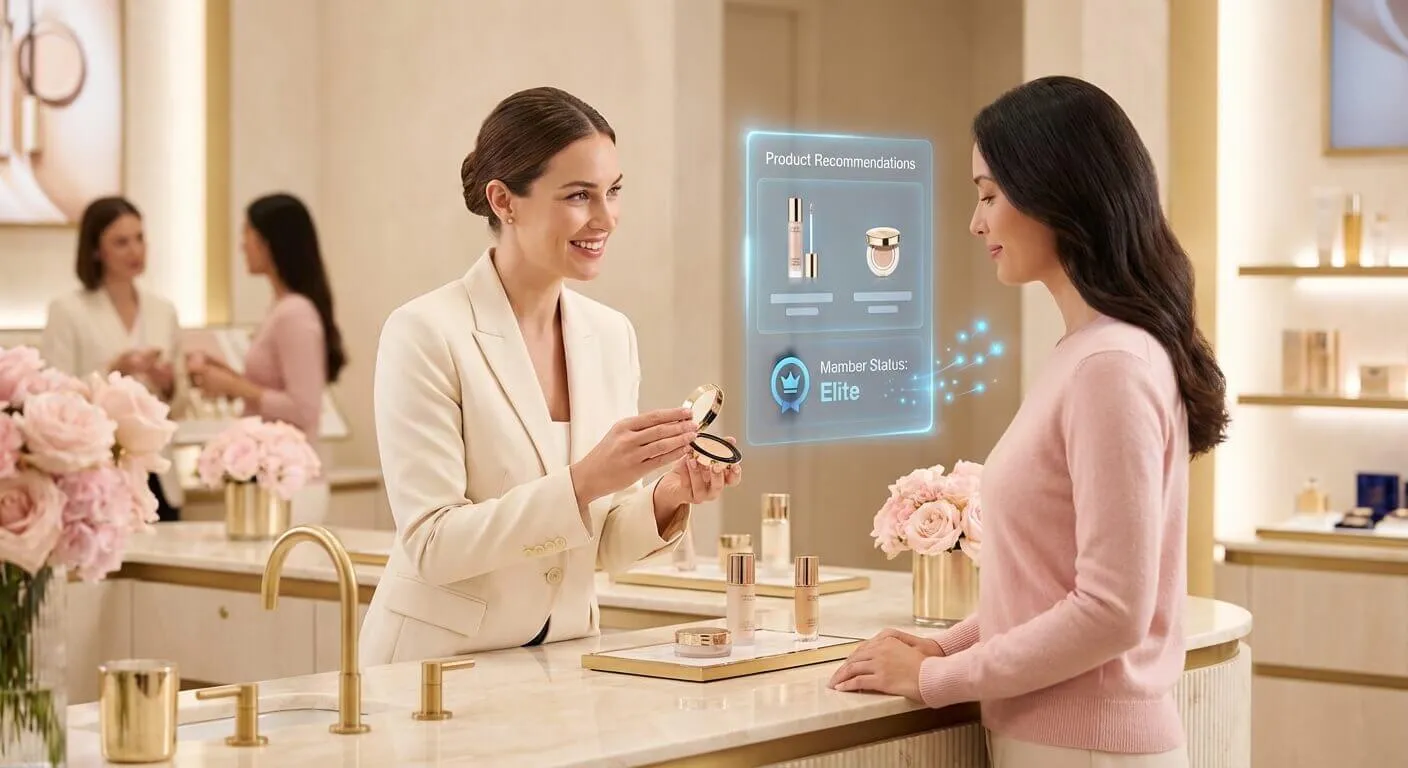
A customer tries items on in store but doesn’t buy. When new arrivals launch each week, the store advisor sends two or three items in a similar style over LINE, with photos of the items being worn or styling tips. The customer confirms online and places an order, and the order is attributed to that staff member.
The key to this process: data is first organized into usable information, the store then makes personal recommendations based on it, and finally the source of each sale can be tracked. Every step has clear ownership and a record.
- Premium fashion: When new styles arrive, advisors can send personalized styling tips to VIPs with specific tastes and offer to hold items for them.
- Fitness / tutoring: Coaches can give diet advice in one-to-one messages and automatically send renewal offers before a course expires.
- Beauty and skincare: Automatically remind customers to restock based on their purchase cycle, and offer personalized care plans based on skin records.
- Real estate: After a customer visits a development, follow up over the long decision cycle that comes with a high price; when a new development launches, proactively recommend it to past customers and offer tailored private viewings based on their preferences to move the sale forward.
Measurable KPIs after rolling out OMO
Track these metrics after implementation to measure results:
- One-to-one chat reply rate (reflects communication quality)
- Conversion rate from personal recommendations (measures recommendation accuracy)
- Repeat purchase rate of linked members (shows relationship building)
- Average order value and items per order by staff member (shows sales capability)
If data is complete and the process is followed consistently, these metrics will gradually stabilize and show up in overall revenue.
OMO data empowerment for a more personal service
Now that cheap traffic is a thing of the past, retaining existing customers costs far less than acquiring new ones. The core value of OMO Master is removing the line between online and offline, so data is no longer just numbers on a report but a tool frontline staff use to close sales. By making data tools simple, brands can truly blend online and offline and create a smooth, consistent customer journey.
👉 Learn how OMO Master can raise your store conversion rate
AIM from ESi Technology is an all-in-one LINE marketing platform. It offers solutions for running an engaging LINE presence and understanding your LINE friends, combined with in-depth data analysis, so you can gain friends more efficiently, avoid being blocked, and turn friends into paying customers.
By providing comprehensive, real-time, personalized data, a CDP helps companies adapt to the digital environment, improve operational efficiency, customer experience and competitiveness, and drive digital transformation.
Want to learn more about the customer data platform (CDP) and how to get started? Visit our website for more information: Customer data platform (CDP)
Open up new channels for growth
See your members in full and build momentum for revenue growth.
Further reading:
- The 80/20 rule of membership: how to keep your most valuable customers
- What is a customer data platform (CDP)? How does a CDP help businesses and marketers?
- How to market with a LINE Official Account: 8 principles for LINE member engagement and conversion
Share this article
- Share “OMO Membership: Close the Last Mile and Let Stores Sell Online Too” on Facebook (opens in a new window)
- Share “OMO Membership: Close the Last Mile and Let Stores Sell Online Too” on LINE (opens in a new window)
- Share “OMO Membership: Close the Last Mile and Let Stores Sell Online Too” on LinkedIn (opens in a new window)