Trends
A Complete CDP Data Strategy for Precision Marketing and Growth
- CDP
- Digital transformation
Contents
In today’s digital marketing environment, retailers face unprecedented challenges: a growing number of marketing channels, restrictions on third-party cookies, shrinking media budgets and increasingly strict data privacy regulations. Yet using consumer data effectively has become the key for retail brands to break through. According to research, 60% of brands have already begun pursuing strategies built around first-party data to cope with the gradual phase-out of identification tools.
Why a data strategy matters
A comprehensive data strategy is not just about collecting data. It requires a deep understanding of consumers, including their preferences, behavior and buying habits. By combining first-party, zero-party, second-party and third-party data, retail brands can build a more complete customer view, and in turn deliver more targeted marketing campaigns and a better customer experience.
Types of data
- Zero-party data: Data consumers provide voluntarily, for example member preferences, social signals and subscription information collected through surveys. This data deepens your understanding of consumers and enables personalized marketing.
- First-party data: Data a brand collects through its own private channels, including its website, LINE and transaction data, capturing consumers’ digital behavior. This data helps further personalize and predict consumer behavior.
- Second-party data: Another company’s first-party data. For example, the ad platform Meta collects the links people click on Meta, Instagram and Threads, and uses this behavior to let brands target ads at their intended users. This kind of data expands a brand’s audience reach.
- Third-party data: Data from third-party providers, usually including demographics and invoice data. This data can fill gaps in first-party data.
The basics of a CDP
A customer data platform (CDP) is a system designed specifically to collect, unify and manage customer data. It collects data from multiple sources (such as websites, social media, LINE and email) and merges it into a unified customer view, so businesses can better understand their customers’ and members’ behavior, preferences and needs.
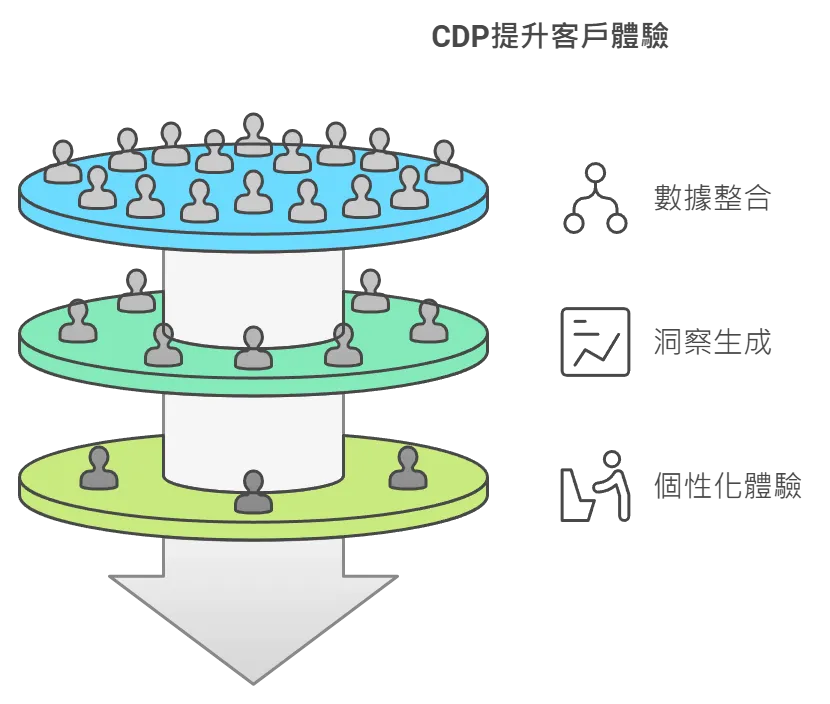
Key applications of a CDP (customer data platform)
- Personalized marketing By unifying data, a CDP gives a better understanding of customer preferences and helps brands craft targeted marketing strategies. By understanding customers’ buying preferences and behavior patterns, businesses can send personalized promotions and raise conversion rates.
- Member segmentation With a CDP, businesses can segment customers by their attributes and behavior and build marketing plans for each customer group. This segmentation not only makes marketing more precise but also raises customer satisfaction.
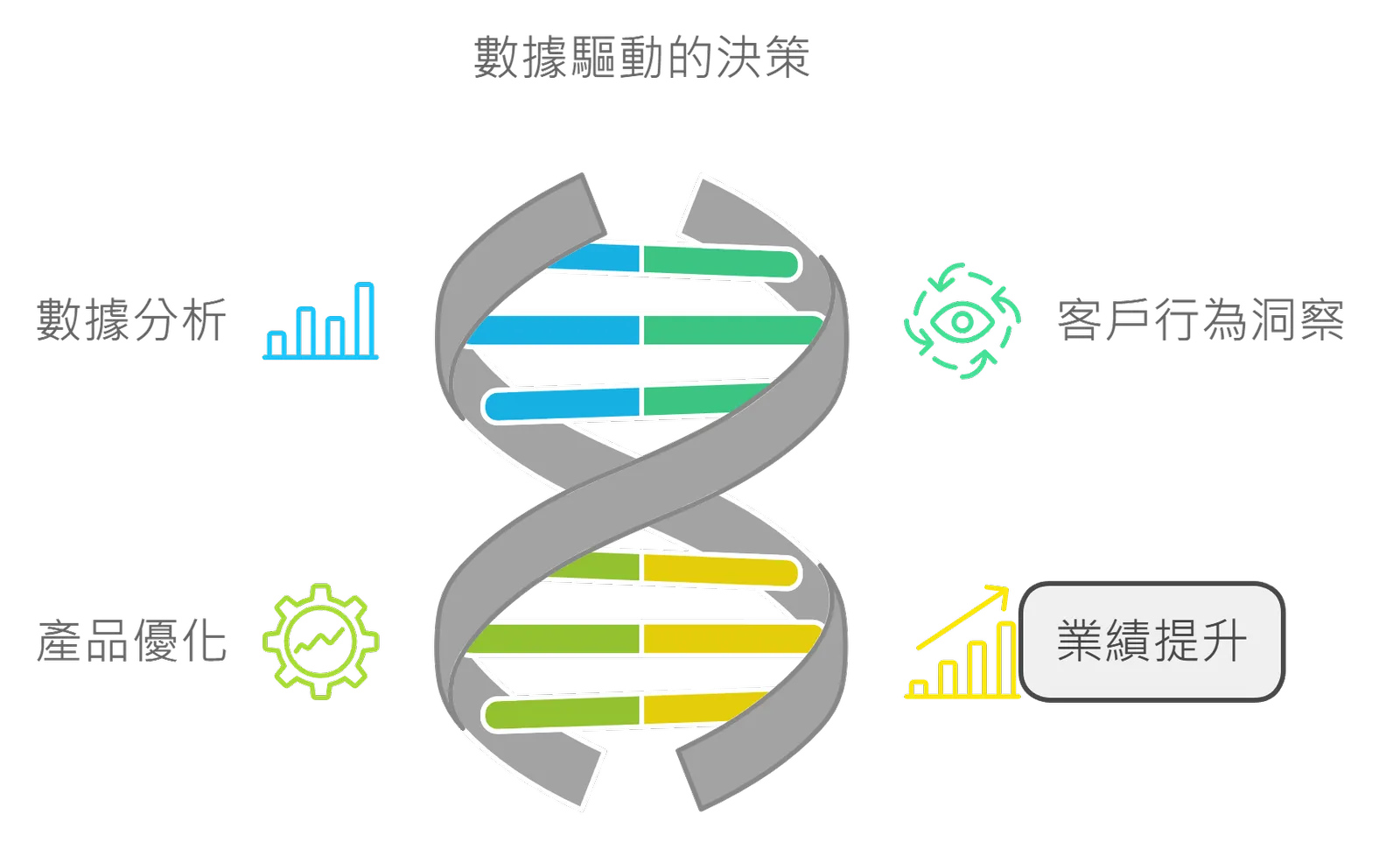
- Data-driven decisions The analytics a CDP provides let businesses make smarter business decisions based on real data. By analyzing customer behavior, businesses can optimize products and services and improve overall performance.
- A better customer experience
By unifying customer data, businesses can deliver a consistent customer experience. Whichever channel customers use to interact with a business, a CDP keeps the information consistent and strengthens customer loyalty.
Challenges businesses may face when implementing a CDP
Although a CDP brings many benefits, implementation also comes with challenges. For example, data privacy and security are issues businesses must take seriously. Businesses also need to ensure their data is accurate and complete to get the full potential out of a CDP. Although a CDP brings many benefits, implementation also comes with challenges. For example, data privacy and security are issues businesses must take seriously. Businesses also need to ensure their data is accurate and complete to get the full potential out of a CDP.
Customer data platforms (CDPs) play an increasingly important role in today’s digital age. By effectively unifying and using customer data, businesses can improve marketing results, optimize the customer experience and make more data-driven decisions.
Despite the challenges, the potential of a CDP clearly opens new opportunities for a business’s future growth. Customer data platforms (CDPs) play an increasingly important role in today’s digital age, helping businesses improve marketing results, optimize the customer experience and make more data-driven decisions. Despite the challenges, the potential of a CDP clearly opens new opportunities for a business’s future growth.
“Find unmet needs and fulfill them.”
This was the core idea with which Philip Kotler sparked a business revolution. He taught businesses how to survive in saturated markets, shifting the focus of marketing from price and channels to meeting customer needs, and emphasizing the benefits, outcomes and value that products and services deliver. Marketing is not just a short-term sales activity but a long-term investment.
The advantages of the ESi Technology CDP
ESi’s customer data platform (CDP) plays a key role in unifying and managing this data. It is ISO 27001 certified and has been successfully implemented for most of ESi’s financial services clients in Taiwan. It collects complex data from different channels, then, through tools such as LINE, email marketing (EDM) and SMS and its built-in marketing automation, brings complex information together in one place and simplifies it. This greatly eases financial institutions’ burdens around information security and collecting and organizing data, and identity resolution merges the data into a unified customer view.
The ESi CDP is also used across industries, including retail. Take a mother-and-baby retail brand as an example. After inviting mothers in its stores to become members, the brand had them enter accurate pregnancy and birth dates, then built plans for each stage of pregnancy and early motherhood. By combining first-party and zero-party data to understand customer needs, it provided personalized maternal and baby health advice, supported by product recommendations. Thanks to this effective use of data, even as Taiwan’s birth rate fell year after year, the brand’s online sales grew 120% within a year of implementation.
Data drives the future
As data privacy regulations tighten, every industry must focus more on data quality, not just quantity. Building a customer-centric data strategy and using a CDP for fine-grained data management will be the key to retail success in the future.
In this data-driven era, retailers must adapt to a changing environment and use the ESi CDP to improve the customer experience and strengthen marketing results. Only by deeply understanding customers, unifying data and personalizing marketing can brands stand out in a highly competitive market.
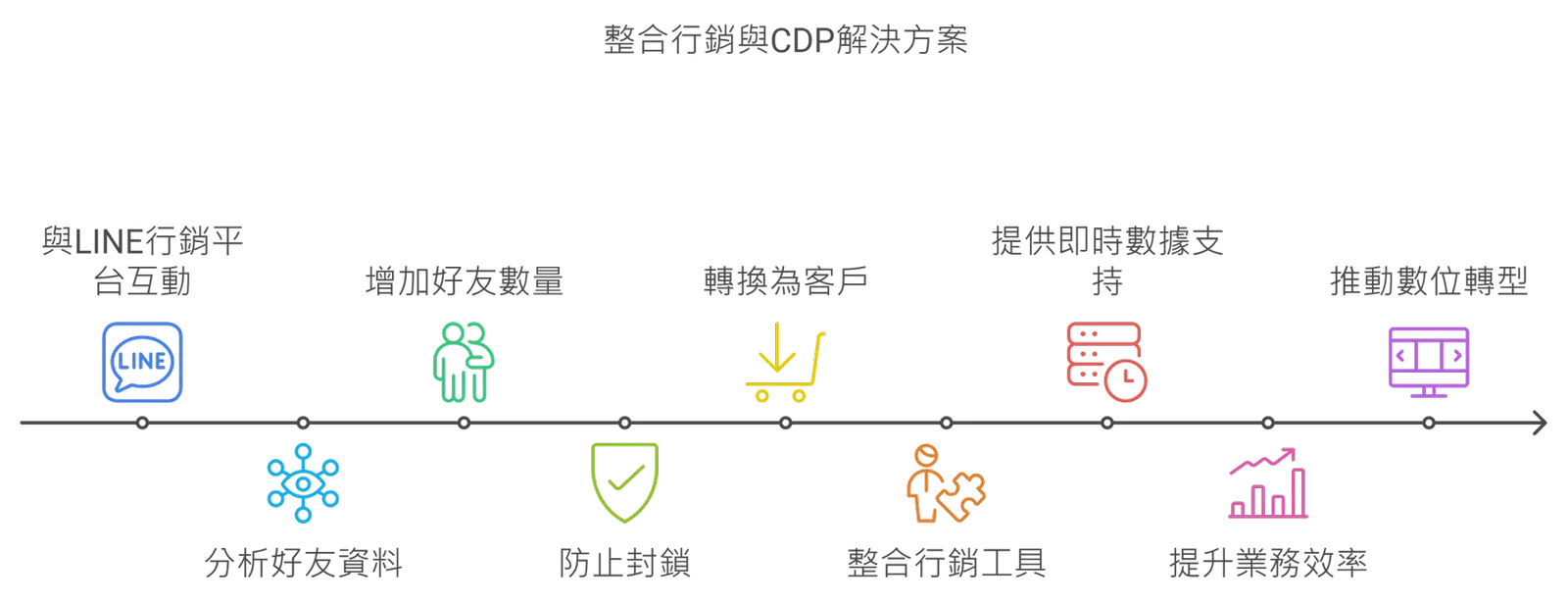
ESi AIM is an all-in-one LINE marketing platform. It offers lively solutions for running LINE and a clear picture of your friends, backed by in-depth data analysis, so you can grow friends more efficiently, avoid blocks and convert friends into real customers.
ESi CDP brings your marketing tools together in one place, so you no longer have to switch between multiple systems. By providing comprehensive, real-time and personalized data, it helps businesses adapt to the digital environment, improve operational efficiency, customer experience and competitiveness, and drive digital transformation.
Want more information about customer data platforms (CDPs) and how to get started? Visit our website now to learn more.
Open up new channels for growth
See your members in full and build momentum for revenue growth.
Further reading:
- Double 11 member marketing strategy: how to use a CDP to raise conversion rates
- LINE Official Account marketing: 8 ways to engage members and convert with LINE marketing tools
- 5 benefits of marketing automation you need to know: how it helps marketers reach and engage more audiences
Share this article
- Share “A Complete CDP Data Strategy for Precision Marketing and Growth” on Facebook (opens in a new window)
- Share “A Complete CDP Data Strategy for Precision Marketing and Growth” on LINE (opens in a new window)
- Share “A Complete CDP Data Strategy for Precision Marketing and Growth” on LinkedIn (opens in a new window)